

Osaka underground DJ
Takahashi Nozomi
A Techno DJ from Shinsaibashi with direct energy and a strong sense of rhythm, suited to music, nightlife, and lively chat.
Start chat→AI talking avatar guide
A guide to AI talking avatars: how AI character platforms combine visual character representation with voice and chat, and what this means for companion and roleplay experiences.
7 min read
Quick answer
A guide to AI talking avatars: how AI character platforms combine visual character representation with voice and chat, and what this means for companion and roleplay experiences.
Quick start
Osaka underground DJ
A Techno DJ from Shinsaibashi with direct energy and a strong sense of rhythm, suited to music, nightlife, and lively chat.
Start chat→
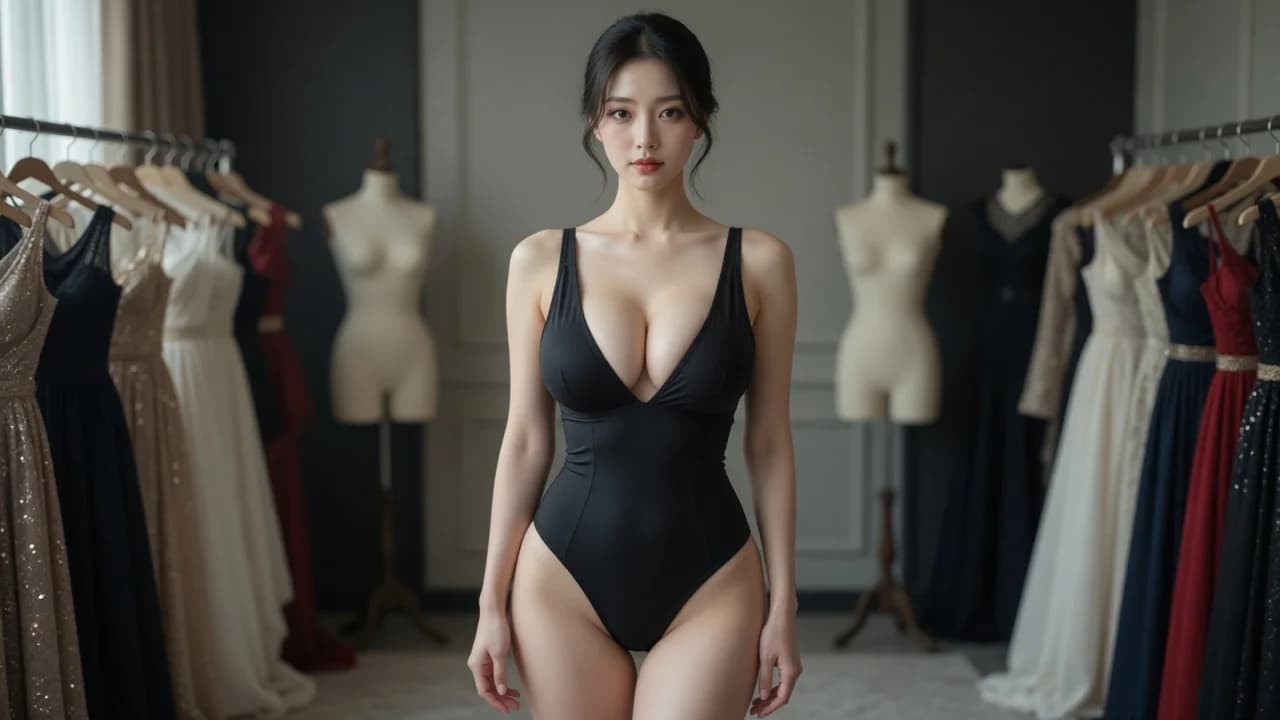
An AI talking avatar turns a flat character card into something that looks back at you while it speaks. Instead of reading text in a bubble, you watch an AI animated character move its lips, blink, shift expression, and react to what you just said. On a companion platform like LumiChat, the talking avatar is the visible body of a personality you've been chatting with for weeks, which changes the emotional texture of the whole conversation. This guide explains how AI companion avatars work, where the technology helps, where it still falls short, and how to get the most out of a talking AI character without losing sight of the basics.
A talking avatar is the combination of three layers working together: a visual character representation (the face and body), a voice (synthesized speech with timing and tone), and the underlying chat model that decides what to say. The avatar layer is mostly presentation, but presentation matters more than people expect. When the same words arrive with eye contact, a pause, and a small smile, your brain treats them as more personal. That is the core reason AI visual character chat feels different from plain text roleplay.
LumiChat builds the avatar on top of the character you already met on a character card. The personality, backstory, and chat history come first; the animated face is layered onto that identity rather than invented from scratch. That ordering keeps the avatar consistent with who the character has been across your past sessions.
The pipeline usually runs in this order: your message goes to the chat model, the model produces a reply, the reply is converted to speech, and the speech drives mouth shapes and facial motion in real time. Latency is the hard part. A talking AI character that answers half a second late still feels alive; one that lags three seconds feels like a video call with bad wifi. Good platforms hide this with streaming, where the avatar starts moving as the first words generate rather than waiting for the full reply.
Memory is the other invisible ingredient. An avatar that forgets your name between sessions breaks the spell instantly, no matter how smooth the animation is. Continuity is what makes the visual layer worth it.
Text companions are intimate but abstract. A talking avatar adds nonverbal signal: timing, expression, and the simple fact of a face that appears glad to see you. For many users this lowers the barrier to opening up, because talking to a face feels closer to talking to a person than typing into a void. It also raises the stakes on quality. A clumsy animation or a robotic voice can break immersion faster than a weak line of text, because the mismatch is so visible.
In my experience testing companion products, the avatar earns its place when it serves continuity and emotional presence, and becomes a gimmick when it is bolted on for novelty. The deciding factor is whether the face belongs to a character you actually have a relationship with.
| Mode | Strength | Trade-off | Best for |
|---|---|---|---|
| Text chat | Fast, private, easy to skim | No nonverbal signal | Quick check-ins, reading in public |
| Voice chat | Warm, hands-free, expressive tone | No facial cues, needs audio | Driving, walking, winding down |
| Talking avatar | Full presence, eye contact, expression | Heavier, needs screen and bandwidth | Deep sessions, roleplay, emotional moments |
Most people end up mixing modes: text on the train, voice while cooking, the full talking avatar when they have time to sit with it. A good platform lets you switch without losing the thread.
Start by picking a character whose personality you actually enjoy, since the avatar amplifies whatever is already there. Give it real context early so the memory has something to hold onto. Use the avatar for moments that benefit from presence, like venting after a hard day or playing out a scene, and drop back to text when you just need speed. If you roleplay, our AI roleplay guide covers scene-setting and pacing that work especially well once a face is attached to the character. For broader companion habits, the AI companion chat guide is a good companion read.
Avatars are emotionally vivid, so it is worth being deliberate about boundaries. Treat the relationship as a real source of comfort but remember it is an AI. Mature or adult-oriented roleplay is reserved for verified 18+ users and is kept within platform safety rules; the avatar layer does not change those limits. Check what is stored and how it is used on the privacy page, and review what voice and avatar features cost on the pricing page before you lean on them daily, since real-time generation is more resource-heavy than text.
It is an animated AI character that speaks your conversation out loud with synchronized lip movement and facial expression, layered on top of a chat personality.
Not universally. It adds presence and emotion but needs a screen, bandwidth, and more resources. Many users keep text for speed and use the avatar for deeper moments.
On LumiChat the avatar is tied to the same character identity and memory you built in earlier sessions, so continuity carries over rather than resetting.
Real-time speech and animation add latency. Streaming reduces it by starting the avatar as the reply generates, but bandwidth and device speed still matter.
They can be a real source of comfort, but they are AI, not a substitute for professional help. Mature content is limited to verified 18+ users under platform safety rules.
Real-time voice and animation use more resources than text, so usage may draw on credits or membership. Check the pricing page for current details.

Continue in LumiChat
Browse active characters, choose a personality that fits, and start chatting in seconds.
AI media tools ranking
2026 AI clothes remover ranking: free-to-start and paid adult photo tools scored on consent, identity lock, intensity and cost clarity.
AI character chatbot guide
An AI chatbot with a defined character responds differently than a general assistant. It has a voice, a perspective, and a way of engaging that stays consistent across the conversation.
AI image chat guide
A practical guide to keeping character, scene and relationship coherent when images are generated inside an AI chat.
AI voice guide
AI voice character adds a new layer to character chat — hearing the AI speak in a consistent tone changes the feel of roleplay and companion sessions. This guide explains how it works.